Overview
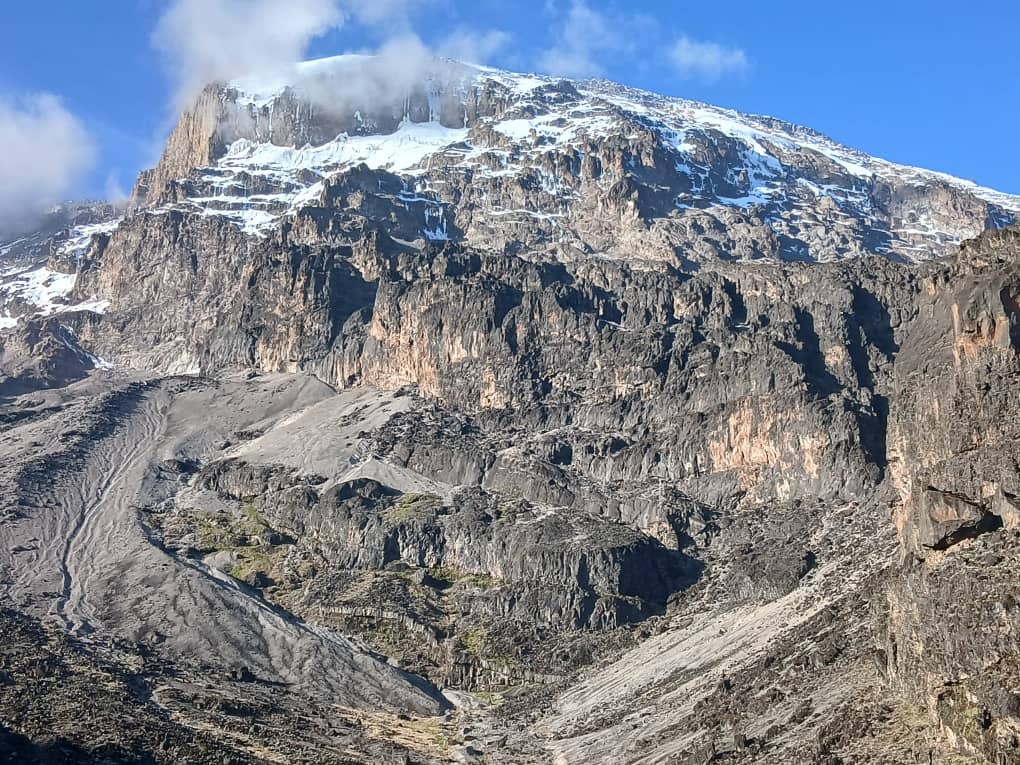
The Lemosho route is considered the most scenic trail on Kilimanjaro, granting panoramic vistas on various sides of the mountain.
As one of the newer Kilimanjaro routes, Lemosho is a superb choice for your climb. It is our preferred route due to its ideal balance of low crowds, beautiful scenery and a high summit success rate.
Highlights
- Scenic Beauty -Widely regarded as the most beautiful route on Kilimanjaro, with breathtaking landscapes from rainforest to glaciers.
- High Summit Success Rate- The longer itinerary allows for better acclimatization, increasing your chances of reaching Uhuru Peak (5,895 m).
- Less Crowded - Starts from the west with a quieter trail before merging with the Machame Route, offering both solitude and camaraderie.
- Wildlife Encounters - Early stages pass through lush rainforest, home to colobus monkeys, blue monkeys, and diverse birdlife.
- Flexible Options - Can be done in 7 or 8 days, with the 8-day trek offering the best acclimatization and success rates.
Itenary
The route approaches Mount Kilimanjaro from the west, beginning with a long drive from Moshi to Londorossi Gate. From there, the first two days are spent trekking through the rain forest to Shira Ridge. The Lemosho route crosses the entire Shira Plateau from west to east in a pleasant, relatively flat hike. Crowds are low until the route joins the Machame route near Lava Tower. Then the route traverses underneath Kilimanjaro’s Southern Ice Field on a path known as the Southern Circuit before summiting from Barafu. Descent is made via the Mweka route.
What is the Success Rate of Climbing Kilimanjaro on the Lemosho Route?
The success rate depends on the number of days you spend on the mountain. For all operators combined, it is estimated that 6 day Lemosho climbs have a success rate of about 60%, 7 day Lemosho climbs have a success rate of around 80%, and 8 day Lemosho climbs have a success rate of about 90%. Our success rate for 8 and 9 day Lemosho has historically ranged between 90-95%.
How Much Does it Cost to Climb Kilimanjaro on the Lemosho Route?
The cost of the Lemosho route varies based on the number of days. Our current pricing for a group climb on the 8 day Lemosho route is $3,149 per person.
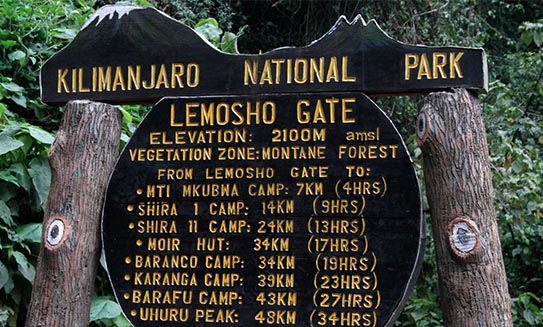
Your journey begins at Londorossi Gate with registration and park entry formalities. From there, a short drive takes you to the trailhead. The hike starts through dense rainforest, where you may encounter monkeys and a variety of birdlife. You’ll camp at Mti Mkubwa (Big Tree) Camp.
- Trek time: 3–4 hours
- Distance: ~6 km
- Habitat: Rainforest
- Accommodation: Mti Mkubwa Camp
Today’s hike takes you out of the forest and onto the Shira Plateau, with sweeping views across the Rift Valley. The vegetation changes to heathland and moorland. You’ll overnight at Shira 1 Camp.
- Trek time: 5–6 hours
- Distance: ~8 km
- Habitat: Moorland
- Accommodation: Shira 1 Camp
A gentle day to help with acclimatization as you cross the Shira Plateau, one of the highest plateaus in the world. You’ll enjoy magnificent views of Kibo Peak and camp at Shira 2.
- Trek time: 4–5 hours
- Distance: ~7 km
- Habitat: Moorland
- Accommodation: Shira 2 Camp
This is a key acclimatization day. You ascend steadily to the Lava Tower (4,630 m) where you’ll have lunch, before descending into the Barranco Valley. The drop in altitude is excellent for acclimatization, and you’ll camp at Barranco Camp, beneath the imposing Barranco Wall.Today we will join others from Machame Route so you will notice some new faces and More people on the Trail.
- Trek time: 6–8 hours
- Distance: ~10 km
- Habitat: Alpine desert → Moorland
- Accommodation: Barranco Camp
The day starts with the exciting climb up the Barranco Wall (not technical, but fun and rewarding). From the top, the trail undulates through alpine desert terrain before reaching Karanga Camp. This is a shorter day designed for acclimatization.
- Trek time: 4–5 hours
- Distance: ~5 km
- Habitat: Alpine desert
- Accommodation: Karanga Camp
We leave Karanga and hit the junction which connects with the Mweka Trail. We continue up to the rocky section to Barafu Hut. At this point, you have completed the Southern Circuit, which offers views of the summit from many different angles. The base for your summit attempt. The camp sits on a barren ridge with sweeping views of Mawenzi Peak. Rest early, as you’ll begin your summit push in midnight.
Trek time: 4–5 hours
Distance: ~4 km
Habitat: Alpine desert
Accommodation: Barafu Camp
Barafu Camp to Uhuru Peak
Distance: 5 km | 3 miles
Hiking Time: 6-8 hours
Vegetation: Arctic
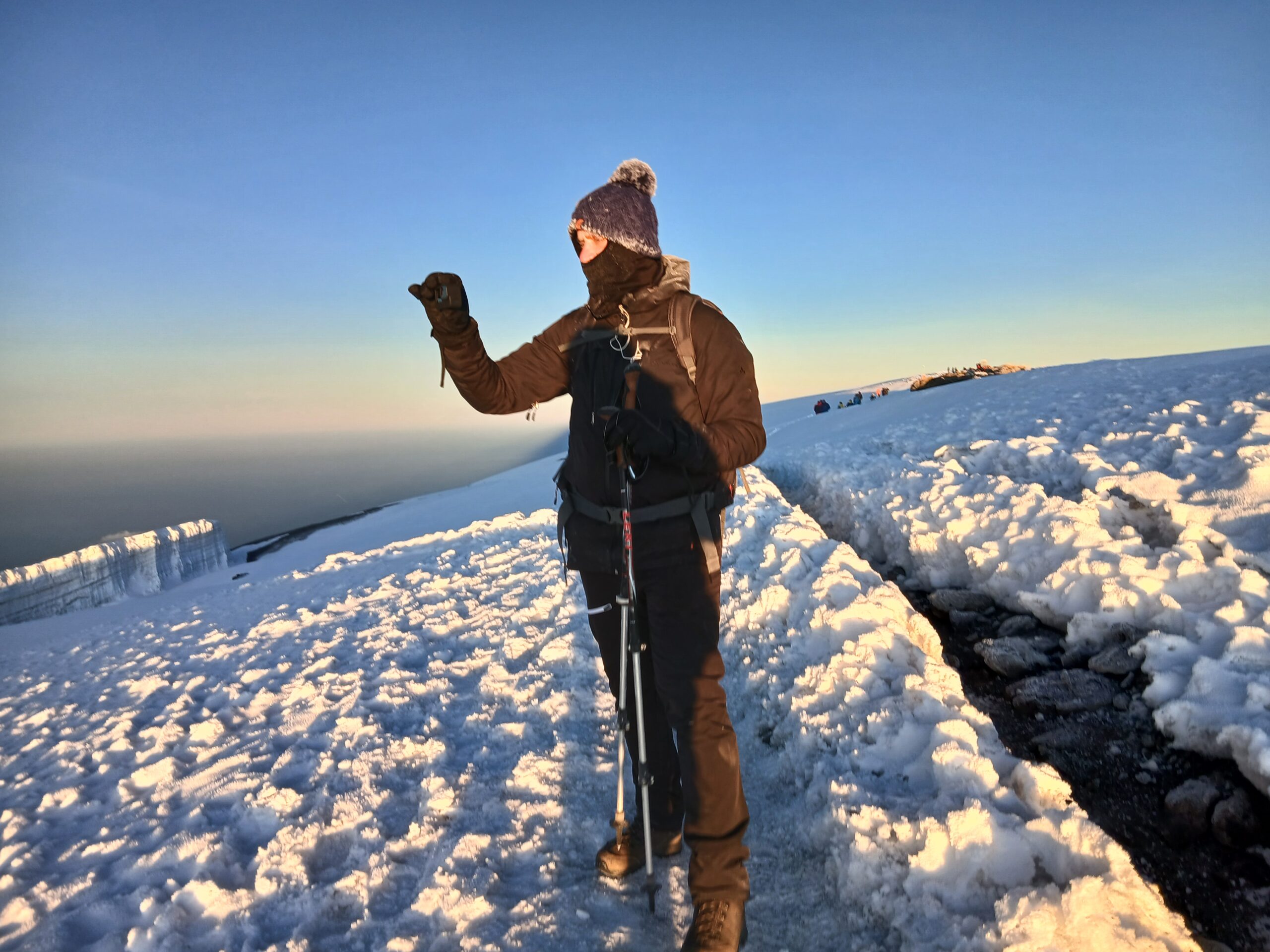
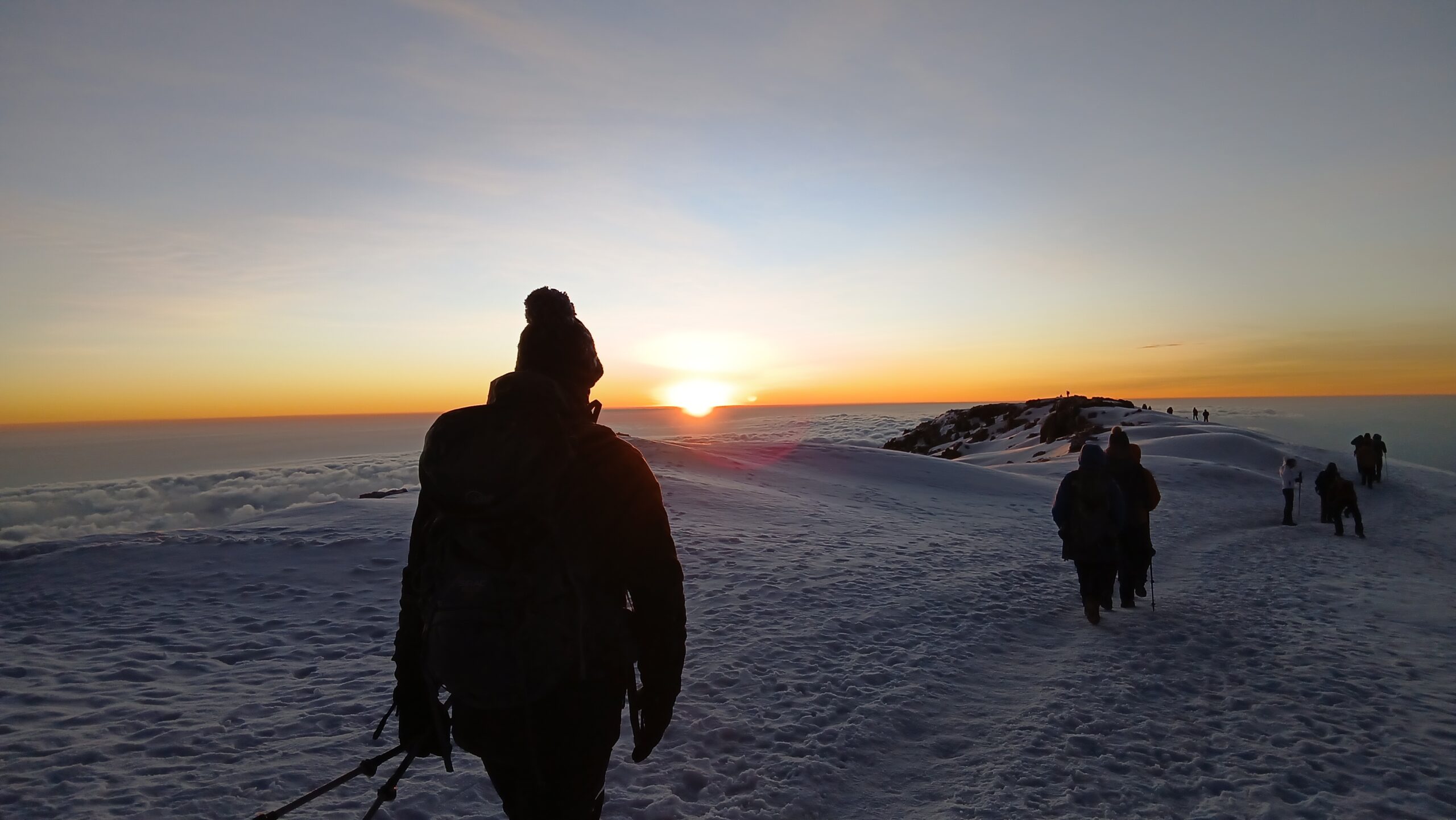
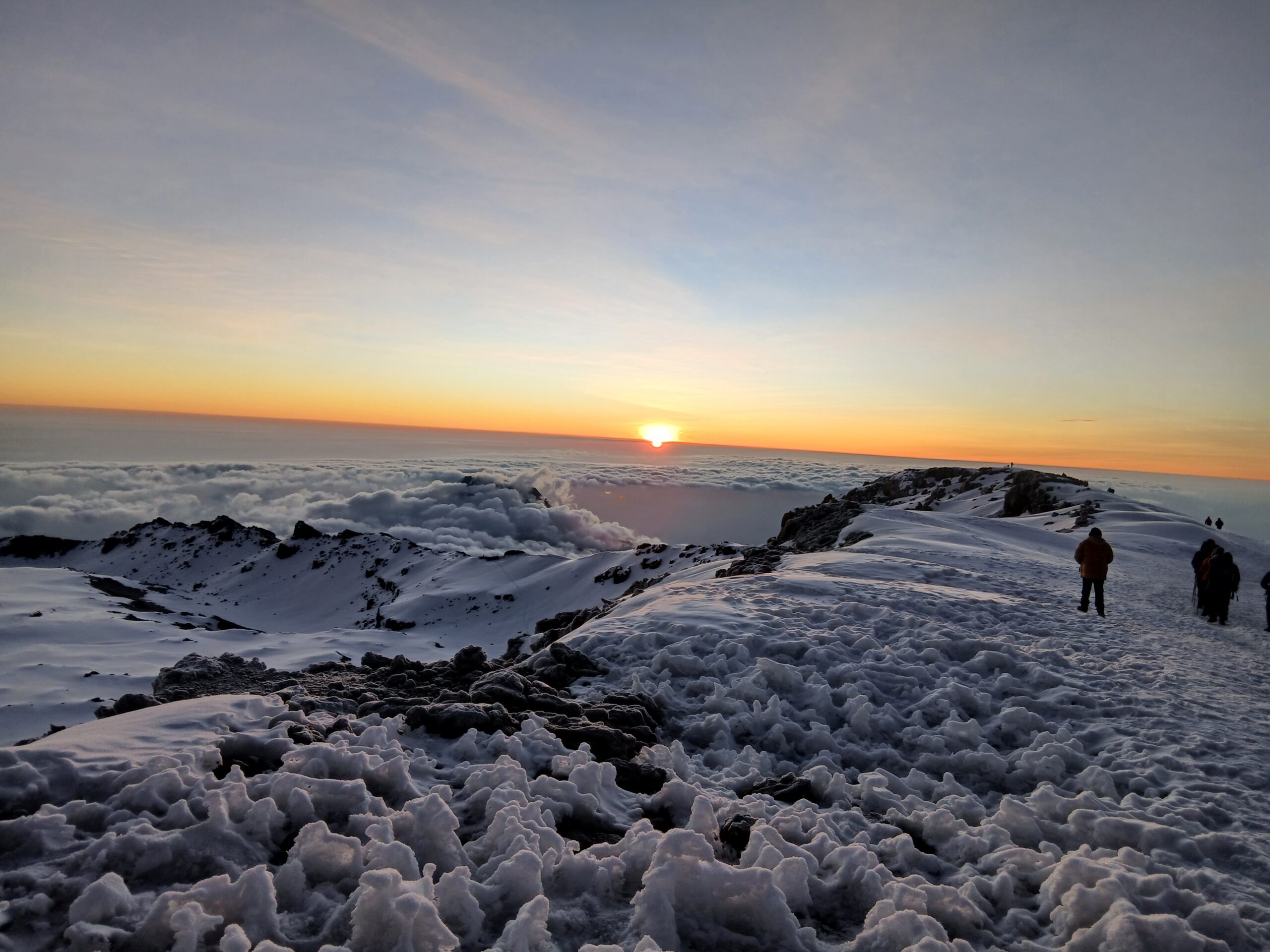
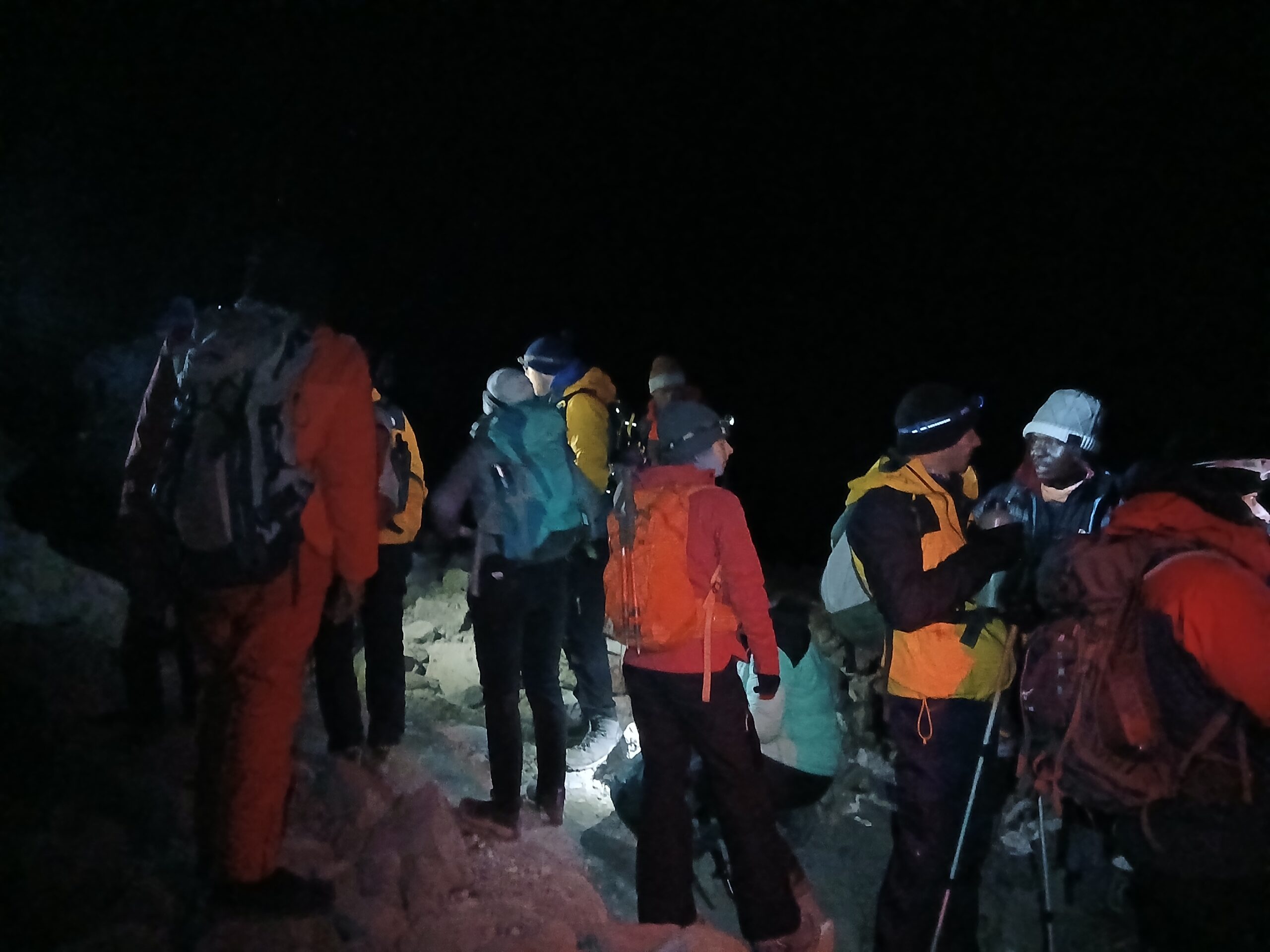
Summit day! Depart around midnight for a challenging climb through cold, dark alpine terrain. After reaching Stella Point (5,739 m) on the crater rim.This is the most mentally and physically challenging portion of the trek. The wind and cold at this elevation and time of day can be extreme. We ascend in the darkness for several hours while talking frequent and short breaks. Near Stella Point (18,900 ft), you will be rewarded with the most magnificent sunrise you are ever likely to see coming over Mawenzi Peak. A final push takes you to Uhuru Peak (5,895 m) – the highest point in Africa.
Uhuru Peak to Mweka Camp
Distance: 12 km | 7 miles
Hiking Time: 4-6 hours
Vegetation: Rain Forest
After celebrating your achievement, descend back to Barafu Camp for a while Rest and Lunch then after we will continue to descend to Mweka Camp.The trail is very rocky and can be quite hard on the knees; trekking poles are helpful. Mweka Camp is situated in the upper forest and mist or rain can be expected in the late afternoon. Later in the evening, we enjoy our last dinner on the mountain and a well-earned sleep.
The final descent takes you back through the rainforest to Mweka Gate, where you’ll receive your summit certificate. You’ll then transfer back to Moshi or Arusha for a hot shower and celebration.
On the Trail can be Wet and Muddy and Slippery ,so pole pole it's still a key ,also Hiking Poles willbe helpfull .
- Trek time: 3–4 hours
- Distance: ~10 km
- Habitat: Rainforest
Includes & Excludes
Includes
- Trekking tour according to the itinerary
- Accommodation in tents and hotels as indicated in the itinerary
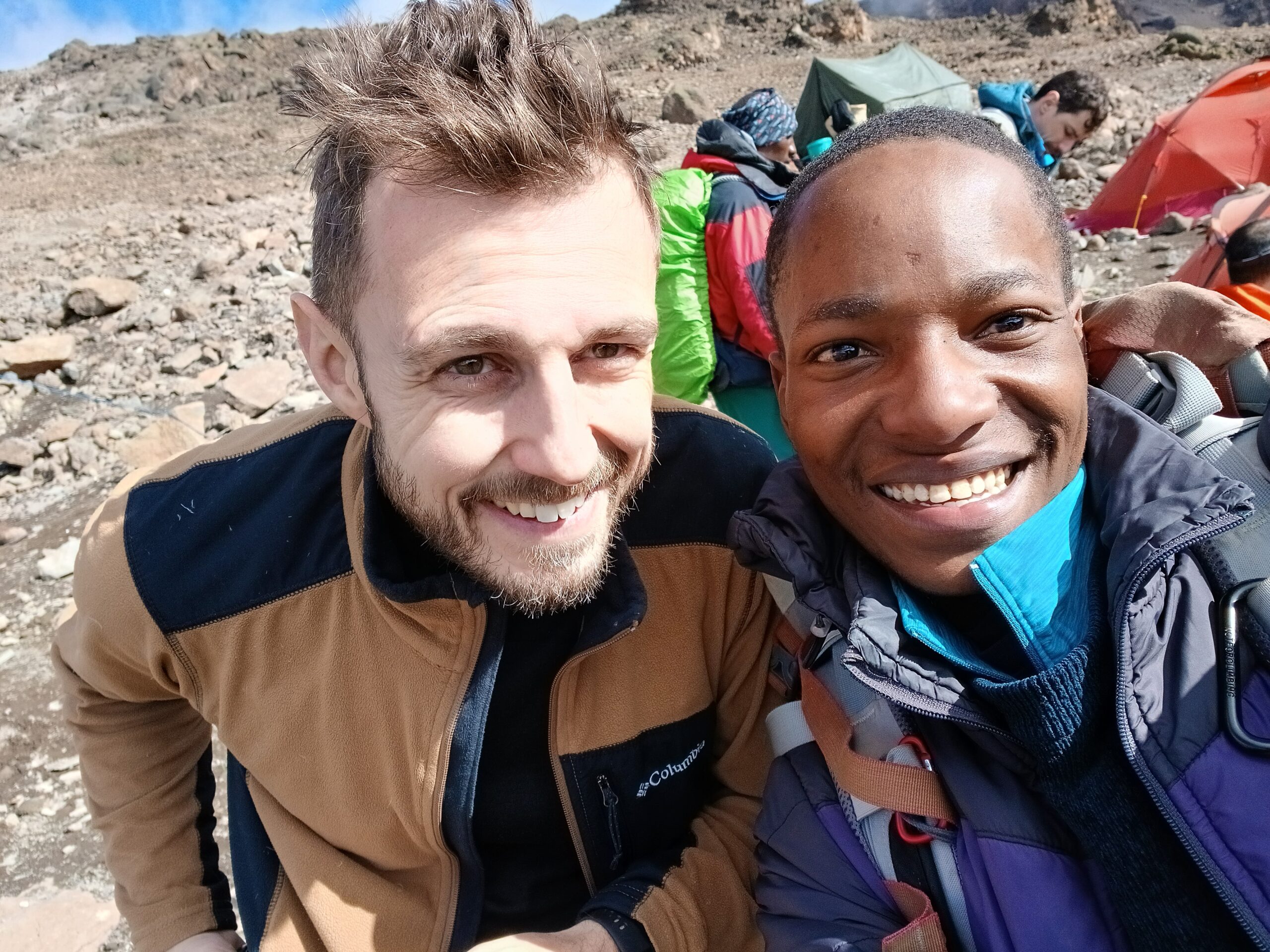
- Professional English-speaking guide
- Personal porter
- Meals as indicated in the itinerary
- Drinking Water
- Camping equipment – tents, sleeping mattress and camping furniture
- Portable toilet and toilet tent
- Transfers as indicated in the itinerary
- National park fees
- Rescue fees
Excludes
- Flights (international and domestic)
- Meals not indicated in the itinerary
- Beverages other than water (alcohol and soft drinks)
- Visa, tips, personal expenses, travel insurance
- Sleeping bag (can be rented, please ask us at the time of the booking)